
Dr Mohammed Erkhawan Hameed Rasheed CSci, Honorary Visiting Researcher / Principal Investigator (PI) in Clinical Cancer Research
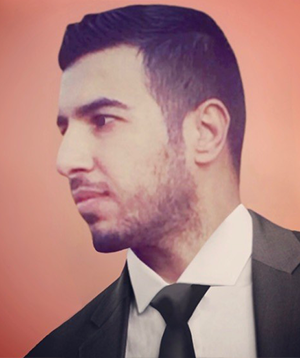
Dr Mohammed Erkhawan Hameed Rasheed
Registration level:
Chartered Scientist (CSci)
Job title: Honorary Visiting Researcher / Principal Investigator (PI) in Clinical Cancer Research
Professional body:
Royal Society of Biology
Institute of Biomedical Science (IBMS)
"The application process encouraged deep reflection on my skills, from scientific leadership and ethics to communication and team management."
Can you tell us a bit about your work and what you do?
I work as a Principal Investigator in Clinical Cancer Research focusing on breast cancer. My work involves genetic analysis of affected families, medical image interpretation (Ultrasound, Mammography, MRI, CT, PET, etc.), and applying AI to enhance cancer imaging. I publish in peer-reviewed journals, present at international conferences, and aim to improve early detection and treatment strategies. I also co-supervise MSc and PhD students, co-design lab sessions, and integrate real-time feedback into teaching. My role bridges biomedical engineering and clinical practice, combining academic research with healthcare innovation to improve patient outcomes and support future researchers.
Why did you decide to apply for Registered Science Technician/Registered Scientist/Chartered Scientist/Chartered Science Teacher?
I applied for Chartered Scientist (CSci) status to formally recognise my expertise and leadership in clinical cancer research. The designation reflects my commitment to high professional standards, ethical conduct, and evidence-based biomedical science. It validates my contributions to clinical cancer research, medical imaging technology, and academic mentorship. Achieving CSci also demonstrates my dedication to continuous professional development and interdisciplinary collaboration. This status aligns with my vision to advance healthcare outcomes and inspire the next generation of researchers through rigorous, ethical, and impactful scientific practice.
What impact has achieving professional registration had on your work or career?
Achieving CSci status has strengthened my professional credibility and expanded collaborative opportunities. It has increased the visibility of my research, supported funding applications, and built trust with colleagues, institutions, and patient communities. This recognition affirms my leadership and commitment to scientific excellence. It has also enabled peer-review roles with respected publishers and facilitated collaborations, including co-authoring a book on breast cancer imaging. Overall, CSci status has solidified my standing as a senior professional, enhancing my impact as a mentor, educator, and research leader in biomedical science.
What did you learn through completing the application process?
The application process encouraged deep reflection on my skills, from scientific leadership and ethics to communication and team management. It highlighted the importance of structured CPD and helped me clearly articulate the real-world impact of my work in clinical research and patient care. Reflecting on my teaching, mentoring, and research strengthened my awareness of both strengths and growth areas. It reinforced my commitment to ethical research, continuous learning, and evidence-based practice, reaffirming my dedication to bridging theory with practical advances in medical diagnostics and cancer prevention.
What do you value most from being a member of your professional body?
I value being part of the Royal Society of Biology for its vibrant scientific community and rich professional development opportunities. It keeps me updated on the latest research, enables collaboration, and allows me to contribute to peer review and public health discussions. Most importantly, it reinforces my commitment to ethical standards, academic excellence, and advancing science for societal benefit. The society’s dedication to high professional standards and recognition of meaningful contributions motivates me to continually grow and collaborate within healthcare and science sectors.
What advice would you give to any other scientist like yourself aspiring to achieve professional registration?
My advice is to see professional registration as both recognition and responsibility. It signifies excellence, ethics, and lifelong learning, not just a title. Be honest and reflective in your application, using it to map your growth and showcase your impact. Registration opens doors to new opportunities and professional networks. Membership in a professional body offers valuable resources, collaboration, and the chance to stay current with research. Most importantly, it strengthens your commitment to ethical practice, academic excellence, and advancing science for society’s benefit.
Become professionally registered
Inspired? Find out how to apply to for professional registration.