Molly Saunders RSci, Regional Lead Anatomical Pathology Technician
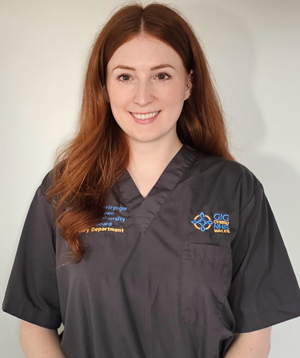
Molly Saunders
Registration level:
Registered Scientist (RSci)
Job title: Regional Lead Anatomical Pathology Technician
Professional body:
Association of Anatomical Pathology Technology (AAPT)
"Completing the application process gave me a valuable opportunity to reflect on my career journey and the impact of my work within the Mortuary."
Can you tell us a bit about your work and what you do?
As a Regional Lead APT, I oversee operational and technical aspects of mortuary services across two health boards. My responsibilities span a wide range of critical functions such as the coordination of daily workflow for admission and release of the deceased, viewings and post-mortem examinations.
A key part of my role involves ensuring that all procedures are carried out with dignity, respect, and in accordance with legal and ethical standards. I also work on strategic aspects including maintaining compliance with HTA regulations, auditing practices, quality assurance and contributing to continuous service improvement. Working regionally, I focus on developing shared protocols and supporting staff training to improve efficiency, consistency, and service delivery across all sites.
Why did you decide to apply for Registered Science Technician/Registered Scientist/Chartered Scientist/Chartered Science Teacher?
I decided to apply to become a Registered Scientist as soon as the opportunity arose because I saw it as a significant step forward for the APT profession. Professional registration is a relatively new development for APTs, and I was eager to be part of that progression from the outset. It’s a way of formally recognising the scientific expertise, technical skill, and professional standards that underpin our work in the mortuary setting. It’s a commitment to continued professional development and excellence in practice. By becoming a Registered Scientist, I’m helping to raise the profile of APTs within healthcare science, and contributing to the wider recognition of the vital work we do.
What impact has achieving professional registration had on your work or career?
It has helped elevate the role, giving it the recognition it deserves within healthcare science. Being professionally registered has reinforced the scientific and technical foundation of our work, which is often overlooked, and has helped others outside the mortuary environment better understand the complexity and importance of what we do. As the profession evolves, registration is helping to shape a more structured and respected career framework, which I’m proud to be part of.
What did you learn through completing the application process?
Completing the application process gave me a valuable opportunity to reflect on my career journey and the impact of my work within the Mortuary. It encouraged me to take a step back and consider the ways I’ve contributed to service improvements, supported colleagues, and driven forward quality and consistency across sites. I was able to identify key moments where I’ve applied scientific principles, led change, and demonstrated leadership in both routine and complex situations.
What do you value most from being a member of your professional body?
Being a member of the Association of Anatomical Pathology Technology (AAPT) allows me to stay up to date with developments in the field, CPD and innovations. I value the opportunity to attend annual education events, as these gatherings offer learning experiences but also provide a chance to network with other professionals across the UK. Additionally, being part of a recognised professional body reinforces the importance of maintaining high standards, engaging in continuous professional development, and advocating for the advancement of our profession.
What advice would you give to any other scientist like yourself aspiring to achieve professional registration?
I would strongly encourage any APT to pursue professional registration. It’s an important step in ensuring continuity and progression within our profession, and it helps to formally recognise the scientific and technical expertise we bring to our roles. Registration not only validates the high standards we uphold but also gives us a stronger collective voice within healthcare science. By becoming registered, APTs can demonstrate their commitment to professional development, open doors to new opportunities, strengthen our credibility, and help raise awareness of the vital role we play in healthcare.
Become professionally registered
Inspired? Find out how to apply to for professional registration.