Dr. Henry Oh CSci CSciTeach, Vice President of Academic Affairs and Honorary Professor
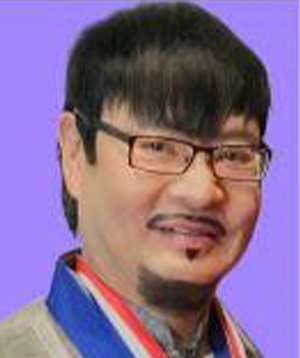
Dr. Henry Oh
Registration level:
Chartered Scientist (CSci)
Chartered Science Teacher (CSciTeach)
Job title: Vice President of Academic Affairs, Northeastern College, USA, and Honorary Professor, Logos University International, France
Professional body:
Royal Society of Biology
Take our quiz: What type of scientist are you?
"The application process was both reflective and affirming. It allowed me to critically evaluate my journey, competencies, and contributions to science and education."
Can you tell us a bit about your work and what you do?
As Vice President of Academic Affairs at Northeastern College in Colorado, I lead the college’s academic vision, support institutional excellence, and promote strategies to improve student success. I also serve as an Honorary Professor at Logos University International, where I assist in academic mentorship and global scholarly collaboration.
My scholarly interests focus on health sciences and education. My recent article, “Examining the Relationship Between Intellectual Diversity and Cognitive Innovation”, published in World Education Connect, examines a variety of cognitive viewpoints and their impact on education, and organizational innovation. The award-winning book I authored, Uncovering Your Mind: How the Brain Learns and Adapts, investigates neuroplasticity and cognitive science in relation to the possibilities of unlocking human potential in learning and growth.
Other research projects include Integrating Medical Laboratory Science and Respiratory Therapy for Better Patient Outcomes, and Exploring the Link Between Synaptic Plasticity and Collaborative Learning for Enhanced Cognition.
Why did you decide to apply for Registered Science Technician/Registered Scientist/Chartered Scientist/Chartered Science Teacher?
Applying for the Chartered Scientist (CSci) and Chartered Science Teacher (CSciTeach) designations were natural steps for me, to show my commitment to scientific rigor, educational leadership, and professional accountability. Both recognitions validate my interdisciplinary competence across health sciences, biology, and science education and align with my commitment to rigor and standards in teaching, research, and applied science. I viewed registration as not only a professional accomplishment but a public demonstration of my professional values, including integrity, evidence-based practice, and lifelong learning.
What impact has achieving professional registration had on your work or career?
Achieving professional registration has certainly raised my profile, and credibility, in academic and scientific communities. I received opportunities for collaboration, speaking opportunities at international conferences, and has confirmed to me my candidacy for executive leadership roles, like my role as the Vice President, Academic Affairs. All these credentials have elevated my subsequent role as an educator, in science and policy advocacy; not only as a curriculum creator, but also while I mentor new professionals in the areas of health and biological sciences.
What did you learn through completing the application process?
The application process was both reflective and affirming. It allowed me to critically evaluate my journey, competencies, and contributions to science and education. I was reminded of the value of interdisciplinary integration—how my work in respiratory therapy, biology, cognitive science, and academic leadership collectively contribute to the broader scientific community. Most importantly, the process reinforced the importance of evidence-backed achievements, ongoing professional development, and the responsibility we carry as scientists to serve the public good.
What do you value most from being a member of your professional body?
I value the sense of belonging to a community that upholds the highest standards in science and education. As a Fellow of the Royal Society of Biology and a registered professional under the Science Council, I benefit from access to thought leadership, policy discussions, and global networks that advance science and its societal relevance. These affiliations also provide a platform to mentor others, contribute to professional discourse, and promote ethical scientific practice grounded in public trust.
What advice would you give to any other scientist like yourself aspiring to achieve professional registration?
I would encourage aspiring scientists to view professional registration not merely as a credential, but as a commitment to excellence, accountability, and lifelong growth. Document your achievements thoughtfully, reflect on your impact, and seek mentorship throughout the process. Remember, science is not just about discovery—it’s also about how we lead, educate, and serve. Professional registration affirms your role in that ecosystem and connects you with a network of dedicated peers striving toward the same ideals.
Become professionally registered
Inspired? Find out how to apply to become a Chartered Scientist.