Registered Scientists can be found in a huge variety of scientific and higher technical roles. They apply their skills and knowledge whilst working autonomously and have the ability to resolve problems and identify, review and select appropriate techniques, procedures and methods.
Once registered, you must maintain your status through meeting continuing professional development (CPD) requirements each year. As you progress in your career and gain more responsibility and experience, you may want to apply for Chartered Scientist.
How do I become a Registered Scientist?
Applicants need to demonstrate their competence across five areas by providing examples from your working life, usually within the last five years, that illustrates how you have met each standard. This is then assessed either online or in a face to face interview, depending on which licensed professional body you are a member of.
Applicants for RSci who do not hold a bachelor’s degree level or above qualification must complete a RSci equivalence report. The purpose of the report is to evidence that you have gained the equivalent knowledge to a bachelor’s degree level qualification through work-based learning.
Start your journey today to become professionally registered.
An applicant for RSci will need to explain how they meet the competences below.
Application of knowledge and understanding
- Apply extended knowledge of underlying concepts and principles associated with area of work.
- Review, evaluate and apply underlying scientific concepts, principles and techniques in the context of new and different areas of work
- Analyse, interpret and evaluate data, concepts and ideas to propose solutions to problems.
Personal responsibility
- Work autonomously while knowing when to escalate appropriately and recognising limits of scope of practice.
- Take responsibility for safe and sustainable working practices and contribute to their evaluation and improvement.
- Take responsibility for the quality of your work and also enable others to work to high standards.
Interpersonal skills
- Demonstrate effective and appropriate communication skills
- Demonstrate effective interpersonal and behavioural skills.
- Demonstrate productive working relationships and an ability to resolve problems
Professional Practice
- Identify, review and select scientific techniques, procedures and methods to undertake tasks
- Contribute to the organisation of tasks and resources
- Contribute to continuous process improvement
Professionalism
- Comply with and promote relevant codes of conduct and practice.
- Maintain and enhance competence in own area of practice through professional development activity
Meet some of our other Registered Scientists
-

Dr Nick Adams RSci
Dr Nick Adams RSci, Research Fellow
-
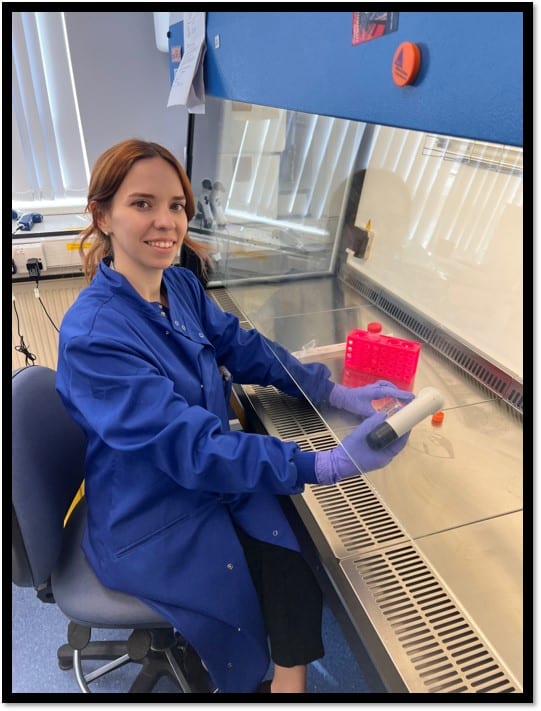
Tyler Harvey-Cowlishaw RSci
How have apprenticeships supported your career? I started on a Level 3 Laboratory Technician, quickly progressing…
-

Alix Bennison RSci
Alix Bennison RSci, Quality Assurance Associate
-
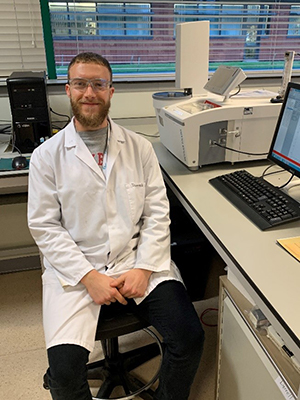
Darrell Cobon RSci
Darrell Cobon RSci, Senior Laboratory Technician
Having the recognition as a Registered Scientist has raised my profile as a professional by acknowledging my commitment to excellence and continuing professional development.”
Paul Lee
RSci