Chartered Scientists demonstrate effective leadership, using their specialist knowledge and broader scientific understanding to develop and improve the application of science and technology by scoping, planning and managing multifaceted projects.
Chartership as a scientist reflects the wide variety of sciences and their practice, recognising high levels of skill and experience, independent of discipline.
Once registered, you must maintain your status through meeting continuing professional development (CPD) requirements each year.
How do I become a Chartered Scientist?
Applicants need to demonstrate their competence across five areas by providing examples from your working life, usually within the last five years. You will also need to provide a professional reference that can vouch for your knowledge and experience. You are then assessed, either on paper or in a face to face interview, depending on which licensed professional body you are a member of.
Applicants for CSci who do not hold a master’s level or above qualification must demonstrate they have the equivalent level of thinking/understanding/learning.
Start your journey today to become professionally registered.
An applicant for CSci will need to explain how they meet the competences below.
Application of knowledge and understanding
- Demonstrate how you use knowledge, experience, skills and broader scientific understanding to optimise the application of existing and emerging science and technology.
- Exercise sound judgement and understand principles of uncertainty in complex and unpredictable situations.
- Demonstrate critical evaluation of relevant scientific information and concepts to propose solutions to problems.
Personal responsibility
- Work autonomously and take responsibility for the work of self and others.
- Promote, implement and take responsibility for robust policies and protocols relating to health, safety and sustainability.
- Promote and ensure compliance with all relevant regulatory requirements and quality standards.
- Oversee the implementation of solutions and demonstrate an understanding of potential and actual impacts of your work on your organisation, on the profession and on the wider community.
Interpersonal skills
- Demonstrate the ability to communicate effectively with specialist and non-specialist audiences.
- Demonstrate effective leadership through the ability to guide, influence, inspire and empathise with others.
- Demonstrate the ability to mediate, develop and maintain positive working relationships.
Professional Practice
- Demonstrate how you scope and plan and manage projects.
- Demonstrate the achievement of desired outcomes with the effective management of resources and risks.
- Take responsibility for continuous improvement within a scientific or technical environment.
Professionalism
- Comply with and promote relevant codes of conduct and practice.
- Demonstrate a commitment to professional development through continuing advancement of your own knowledge, understanding and competence.
Meet some of our other Chartered Scientists
-

Celebrating Charted Week: James McCormick CSci
Chartered Week 2026 takes place from 23rd – 27th February, celebrating the value and impact of…
-

University of York
For National Apprenticeship Week 2026, Deputy Operations Manager (Biology) at the University of York, James Fox,…
-

Dr. Henry Oh CSci CSciTeach
My motivation to apply for professional registration As Vice President of Academic Affairs at Northeastern College…
-

Dr David Boyce CPhys CMath CSciTeach CSci
Dr David Boyce is a teacher at Queenswood School, Hertfordshire, and currently holds chartered status in…
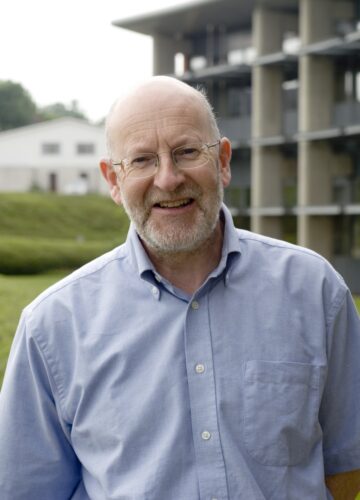
I consider a professional qualification such as CSci to be essential for anyone engaged in any form of consultancy, and strongly recommend it to BSSS members.”
Keith Goulding
CSci